PRODUCT CENTER





Introduction to the Siphon Filter
The siphon filter is a gravity rapid filter and a common process in water supply treatment. It uses the siphon principle in place of inlet and drain valves, and uses filtered water from the other cells in the same group to carry out backwashing, so no separate backwash pump or wash-water tower is required.
1. Basic Construction
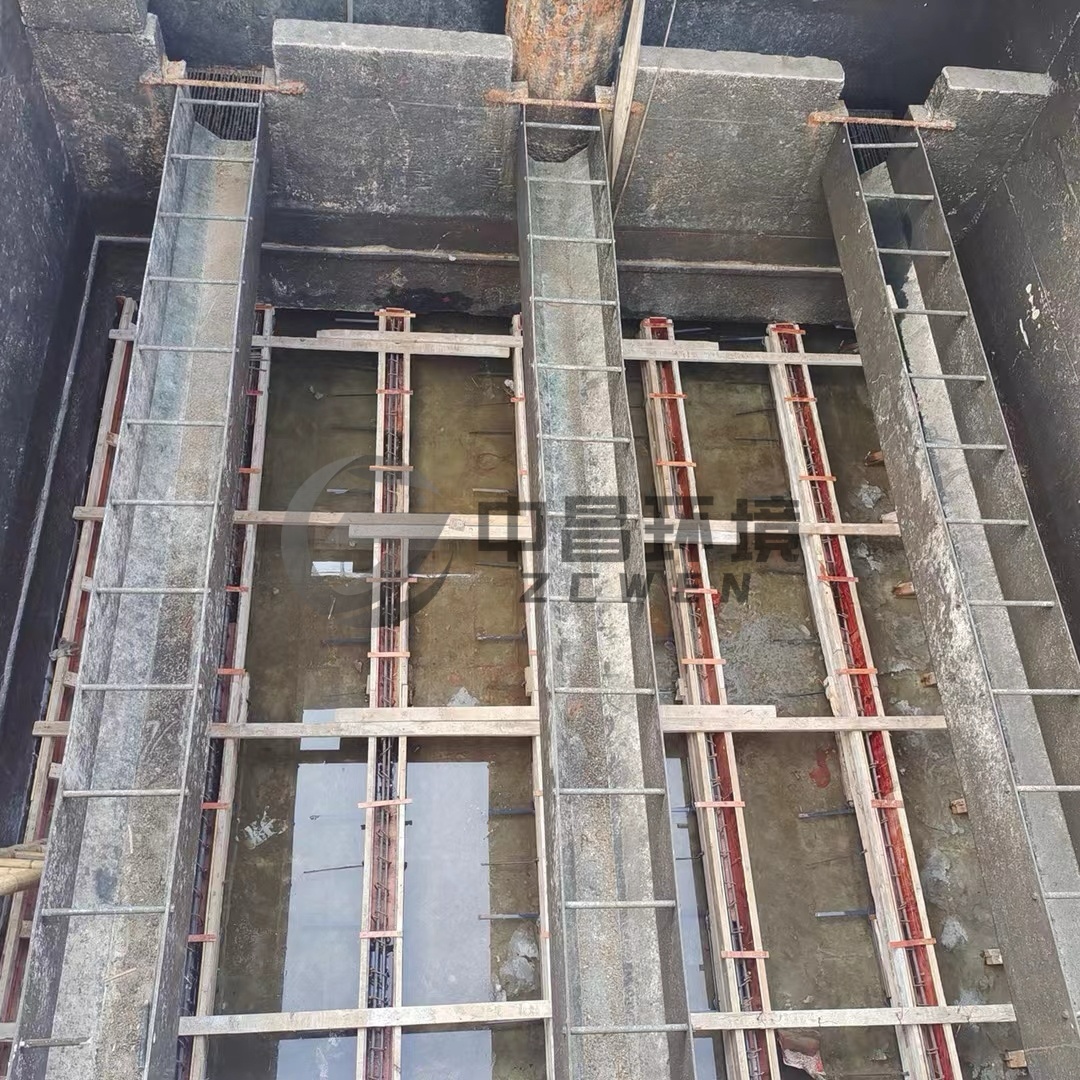
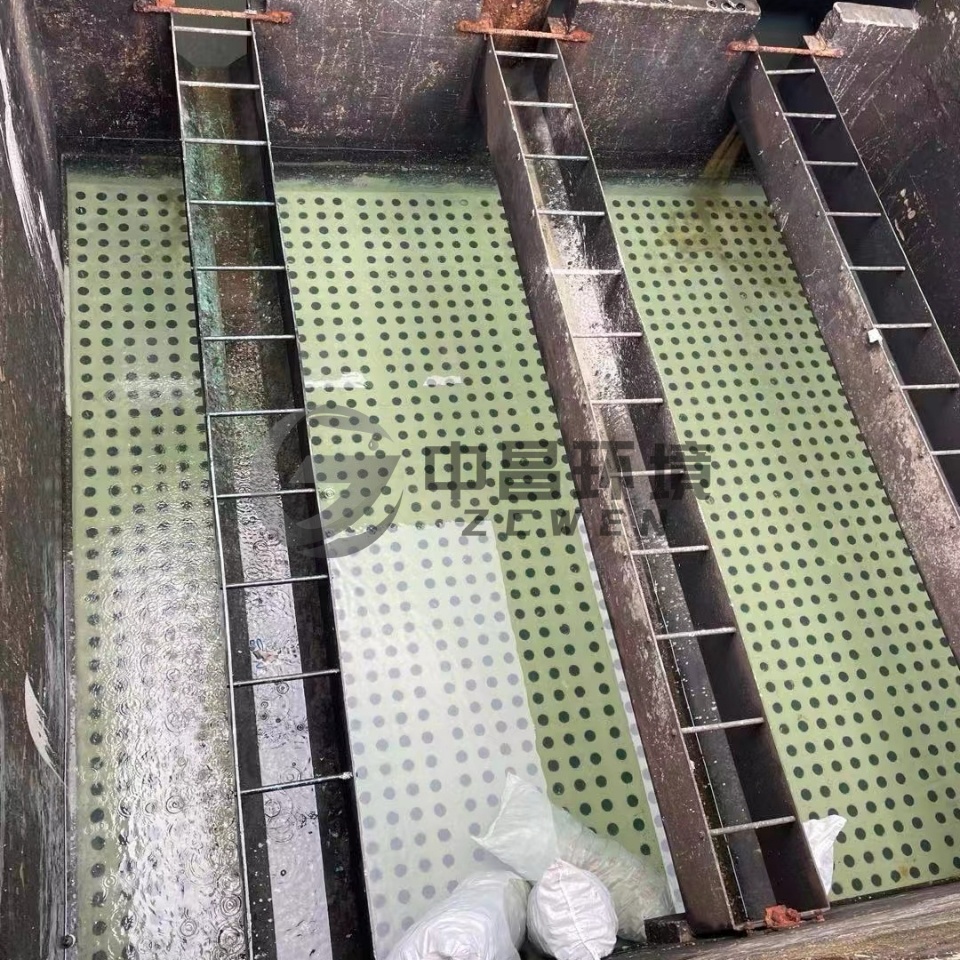
Filter cells: a group normally has 6-8 cells, usually rectangular. The filtered water from each cell is interconnected through a shared clear water channel.
Two siphon systems: the inlet siphon (influent) and the drain siphon (backwash wastewater). Associated vacuum pipework and siphon-breaking pipes are used to establish and interrupt the siphon action.
Filter bed: quartz sand media plus a support layer, with a low-resistance distribution system to give uniform backwash water distribution.
Distribution trough, clear water collection channel, effluent weir and vacuum control system.
2. Operating Cycle (Two Main Phases)
1. Filtration Phase (constant rate, variable head)
Settled water from the sedimentation tank enters the filter cell through the inlet siphon and flows downwards through the media bed, where impurities are retained. The clear water enters the shared clear water channel at the base and overflows into the clear water tank. As the bed clogs, the water level in the cell rises gradually and head loss increases; when the level reaches the set maximum, backwashing is initiated.
Feature: the filtered water level always remains above the media bed, so there is no negative head and no risk of air entering the filter bed.
2. Backwash Phase
The inlet siphon is broken and the cell stops receiving influent;
the vacuum pump is started to create a vacuum in the drain siphon, establishing siphon action so that the water above the bed drains rapidly;
water from the clear water channel, supplied by the other cells in the group that are still filtering, flows upwards through the media of this cell to wash it;
the wash wastewater is discharged through the drain siphon;
once the wash duration is reached, air is admitted to break the drain siphon, washing ends and filtration resumes.
Typical backwash rate: 10-12 L/(s·m²), with a wash duration of 8-10 minutes.
3. Advantages and Disadvantages
Advantages
Eliminates a large number of large gate valves, gives a compact civil works layout and lends itself to hydraulic self-control and automated operation;
No backwash pump or wash-water tower is needed, since the cells in the group wash each other, saving backwash equipment;
Operates under positive head throughout filtration, with no negative head;
Multiple cells in parallel allow one cell to be washed at a time while the others continue supplying water without interruption.
Disadvantages
The tank is deep, so civil works costs are relatively high;
With low-resistance distribution the backwash rate depends on the output of the other cells, so the wash intensity is not stable;
The siphons and vacuum pipework demand high sealing integrity, and the many auxiliary control pipes make maintenance and overhaul more demanding;
The number of cells cannot be too small (at least 6) and the area of a single cell should not be too large.
4. Applications
Used mainly for water purification in small and medium-sized municipal waterworks; it can also be used for reclaimed water filtration.
Distinction: a siphon filter is not the same as a valveless filter. Siphon filters operate as a group of cells that supply each other with backwash water, whereas valveless filters generally run as independent single cells.