
PRODUCT CENTER



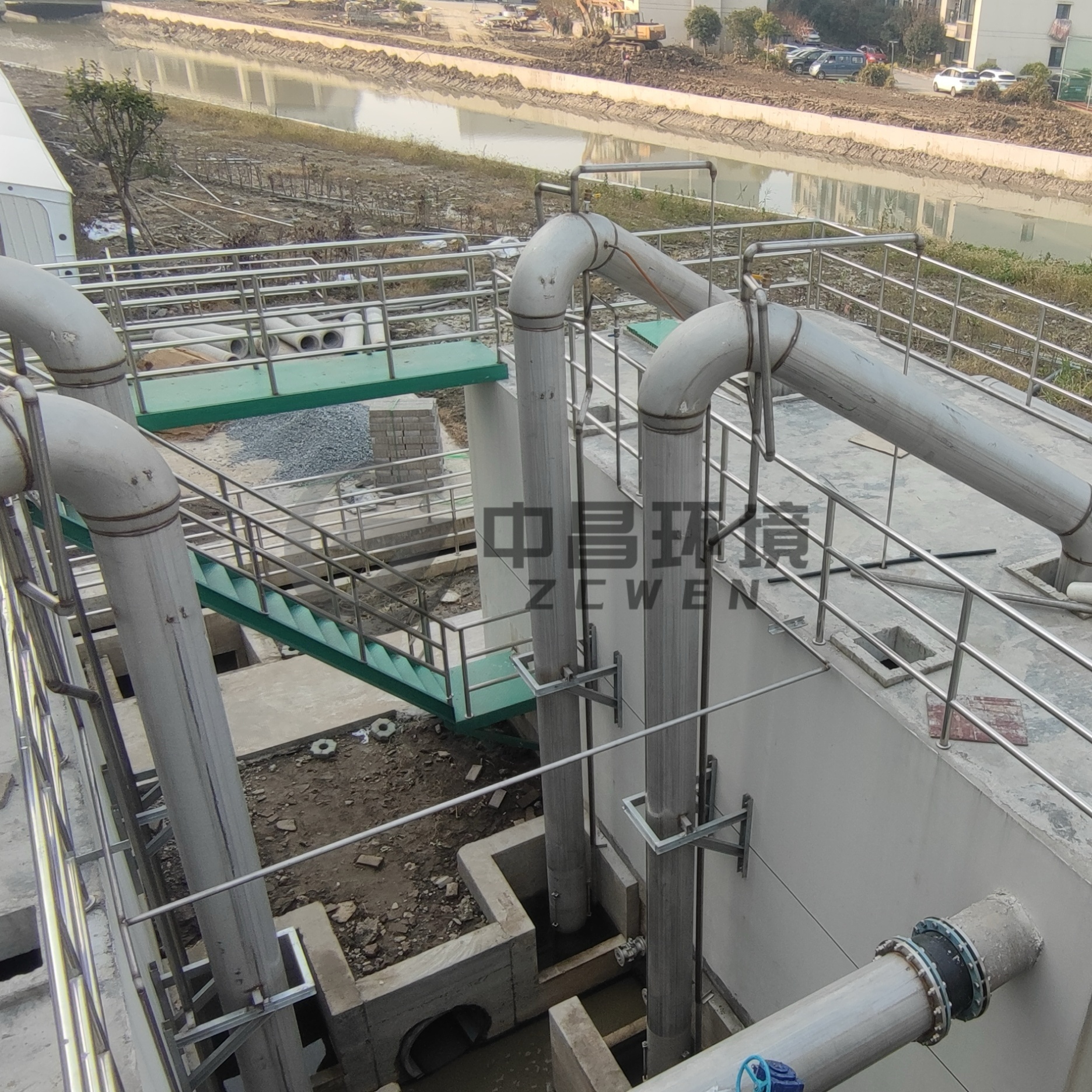


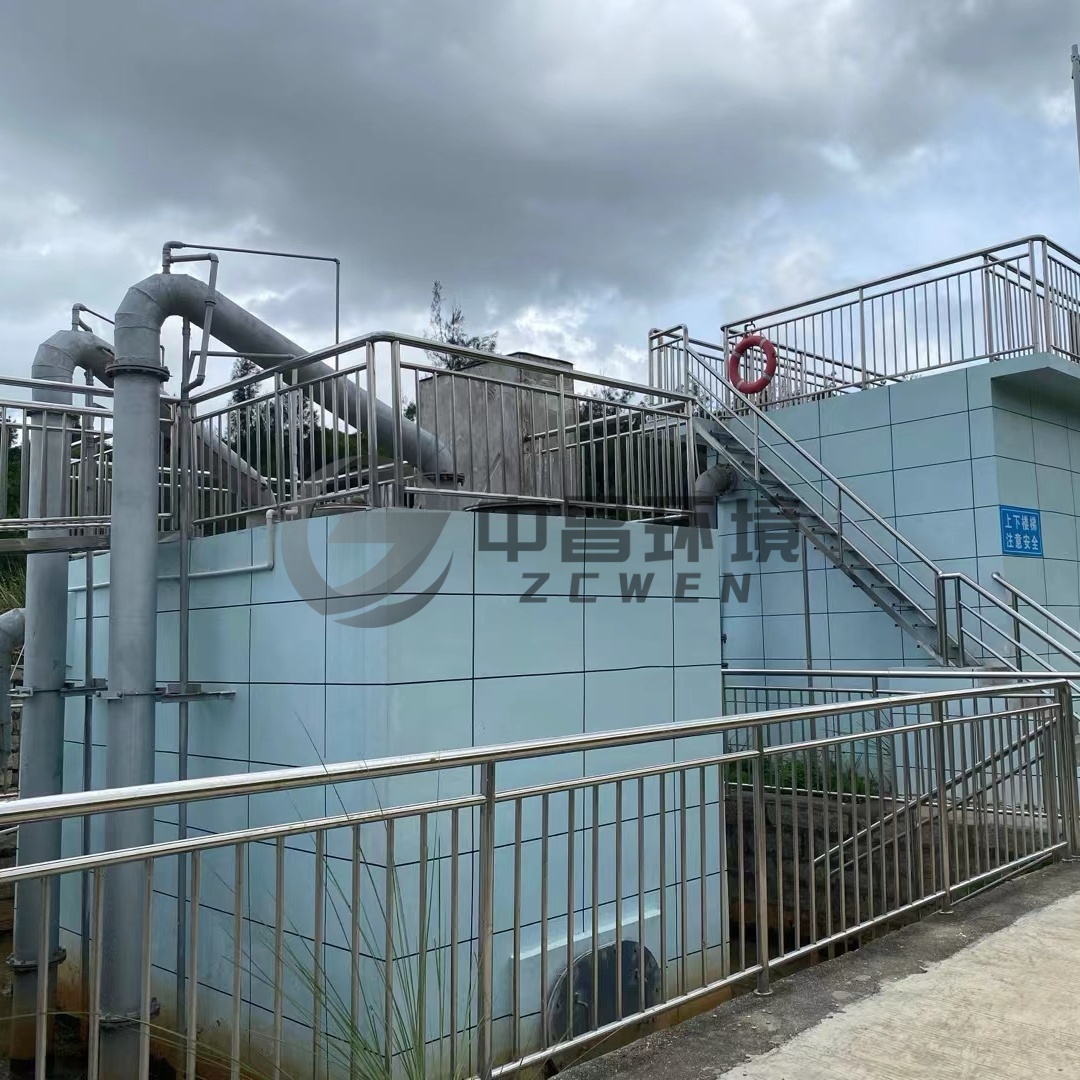
1. Overview
The gravity valveless filter (gravity valveless filter unit) is a hydraulically automatic rapid filter. It uses the siphon principle and changes in water level and head to complete the filtration and backwash cycle automatically. The tank has no large electric or manual gate valves, runs entirely by gravity flow and needs no external backwash pump. It is widely used in small and medium-sized waterworks, township water supply, circulating water side-stream filtration, groundwater iron and manganese removal and advanced reclaimed water filtration. Structures fall into two categories: reinforced concrete civil tanks and steel integrated tanks.
2. Main Components
Inlet distribution trough, inlet pipe and siphon riser: the influent distribution path;
Filter chamber: umbrella-shaped top cover, media bed (mainly quartz sand), support layer and low-resistance distribution system;
Bottom collection zone and connecting channel: the filtered water riser path;
Top wash-water tank: stores backwash water;
Siphon system: siphon downpipe, siphon auxiliary pipe, air extraction pipe and siphon-breaking hopper (the core of fully automatic backwash control);
Effluent weir, outlet pipe and drainage water-seal chamber: the product water and backwash drainage facilities.
3. Operating Principle (two modes)
1. Filtration Mode
Raw water flows by gravity through the inlet pipe and siphon riser and is distributed by the umbrella-shaped top cover. It passes downwards through the media bed, where suspended solids are retained. The filtered clear water passes through the distribution system and the connecting channel into the upper wash-water tank. When the tank level reaches the overflow weir, clear water overflows and is conveyed to the clear water tank. As filtration continues, the bed retains more solids, head loss increases and the water level in the siphon riser gradually rises.
2. Automatic Backwash Mode
When the water level in the siphon riser rises to the mouth of the siphon auxiliary pipe, the falling water carries air out of the siphon pipe, creating a vacuum;
once the vacuum reaches the threshold, a siphon forms. The clear water stored in the top wash-water tank backwashes the media bed from bottom to top, and the solids are discharged with the flow through the siphon to the drainage chamber;
when the wash-water tank level drops to the level of the siphon-breaking hopper, air enters the siphon pipe, the siphon is broken and backwashing stops automatically;
the water level falls again and the system automatically returns to filtration, repeating the cycle.
A forced-wash device is available as an option to trigger backwashing manually in advance.
4. Advantages and Disadvantages
Advantages
No large valves and no backwash pump; fully hydraulic automatic operation with no electrical control required, making operation and maintenance simple;
Integrated, compact equipment with a small footprint and lower civil works investment than a conventional quartz sand rapid filter;
Gravity driven, so energy consumption is low - suitable for township water supply projects without a reliable power supply;
Can be installed outdoors; the closed tank gives good water quality and sanitary conditions.
Disadvantages
The closed structure makes media inspection, sand replacement and bed sampling inconvenient;
The backwash head and wash duration are fixed and cannot be adjusted flexibly;
The capacity of a single cell should not be too large; it is generally suitable for small and medium-sized waterworks and is rarely used in large plants;
The inlet water level must provide sufficient gravity head, which constrains the site elevation conditions.
5. Common Media
Main media: quartz sand (sea sand); support layer: cobblestone. Depending on water quality, manganese sand or single-layer anthracite filtration can also be used.
6. Applications
Surface water filtration in townships and small waterworks.
Iron and manganese removal from groundwater.
Side-stream filtration of industrial circulating cooling water.
Advanced filtration of secondary effluent from wastewater treatment.
Filter units for integrated rural water purification stations.